
FROM INDIVIDUAL PRODUCTS TO PACKED SETS
Custom Packaging & Kitting for Pet Products
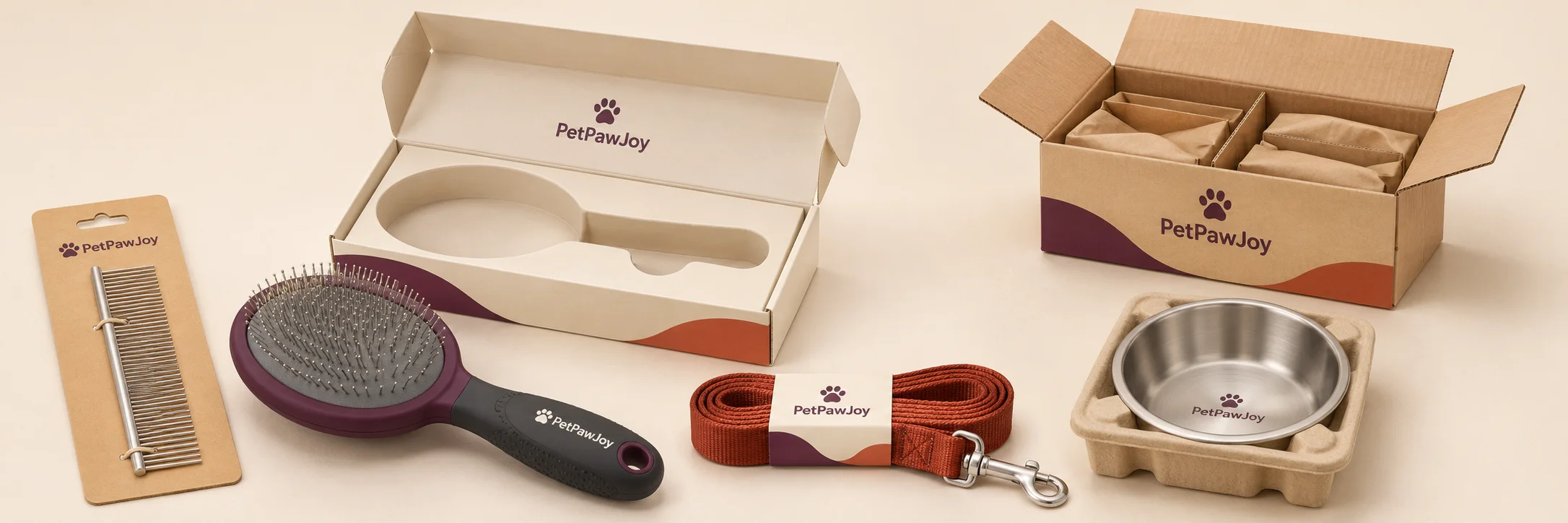
Explore packaging materials and packing methods for individual pet products, retail sets, and wholesale shipments. Review boxes, sleeves, hang cards, inserts, and protective materials according to your selected products and distribution needs.
Share your product dimensions, quantities, artwork, and packing requirements. Available options, packaging minimums, development costs, and assembly charges depend on the agreed configuration.
EXPLORE PACKAGING MATERIALS
Compare Materials for Your Product and Packing Needs
Review packaging options for retail presentation, product separation, and shipment protection. Confirm material specifications, dimensions, printing, and compatibility with your selected products before approval.
01
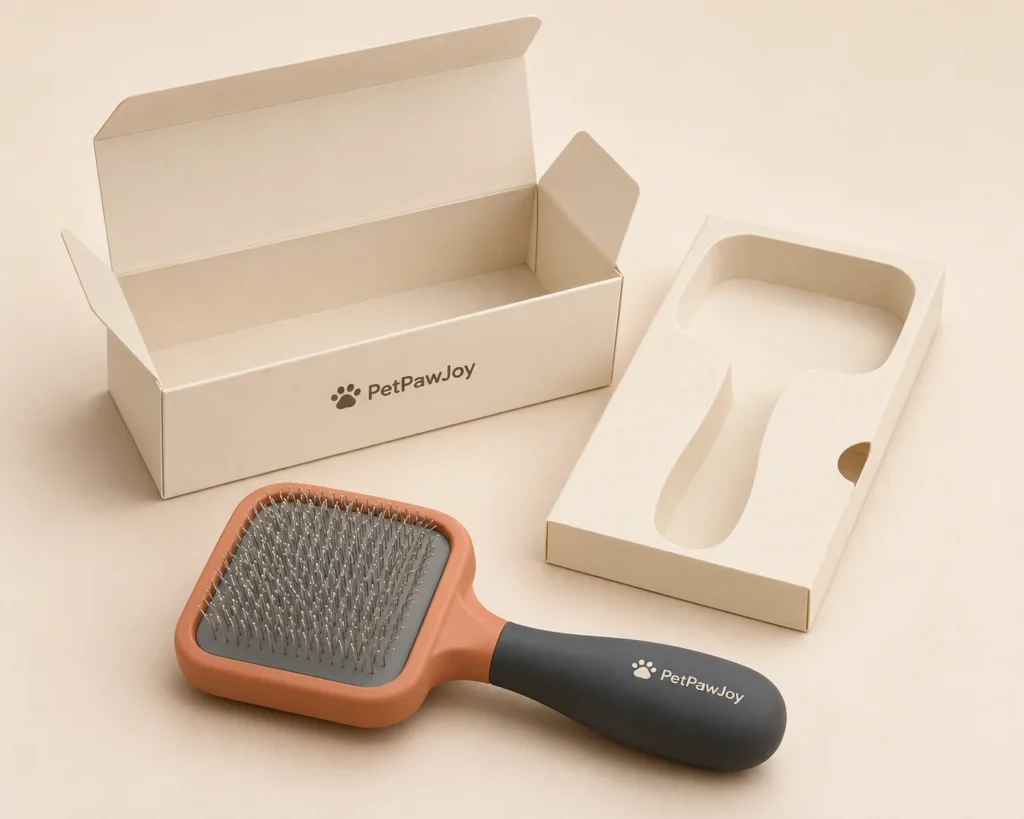
Folding Paperboard Cartons
Printed cartons can present individual products with space for artwork and product information. Confirm board specifications, box dimensions, closure style, and any required insert.
02
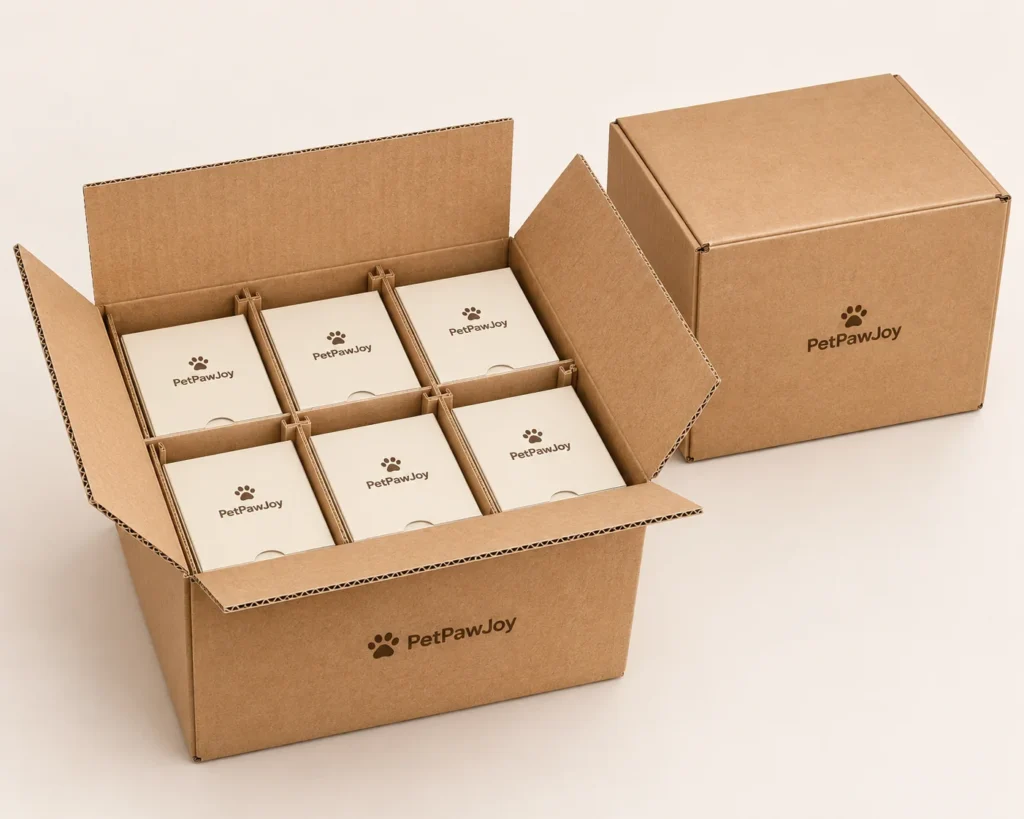
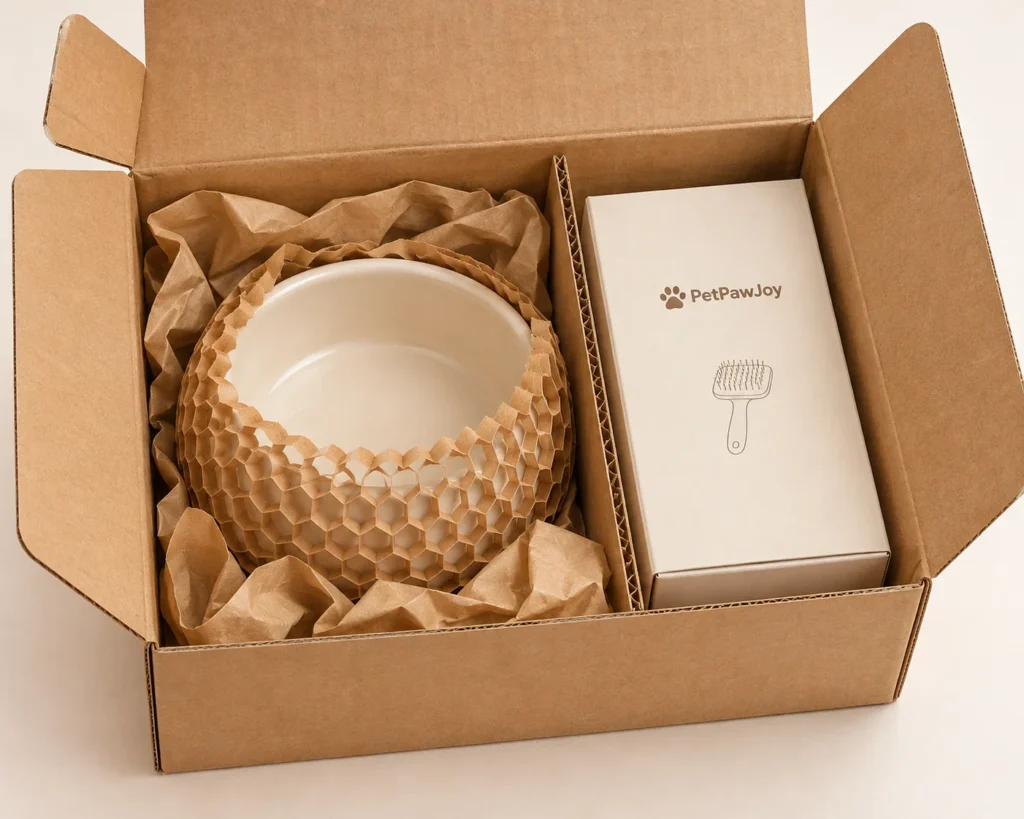
Corrugated Shipping Cartons
Corrugated cartons provide an outer packing format for individual or grouped products. Confirm carton construction, packed weight, dimensions, dividers, and shipping marks.
03
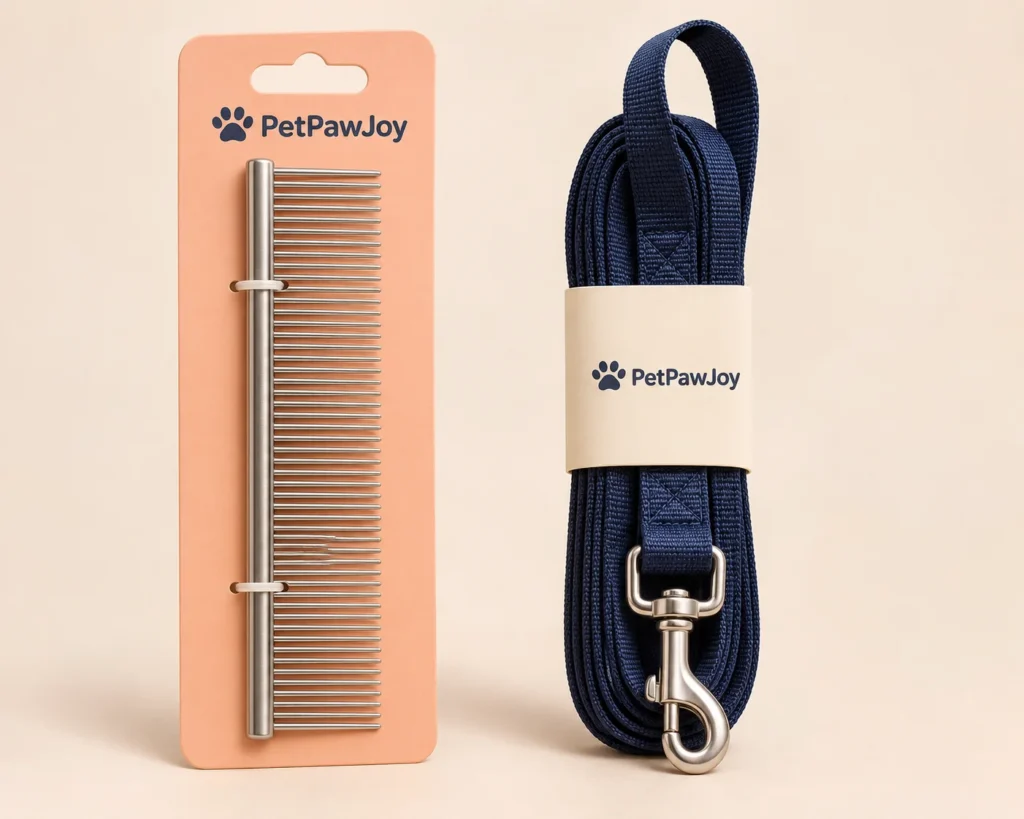
Hang Cards and Paper Sleeves
Hang cards and sleeves offer space for product identification and artwork while leaving part of the product visible. Confirm attachment, fit, display requirements, and available information areas.
04
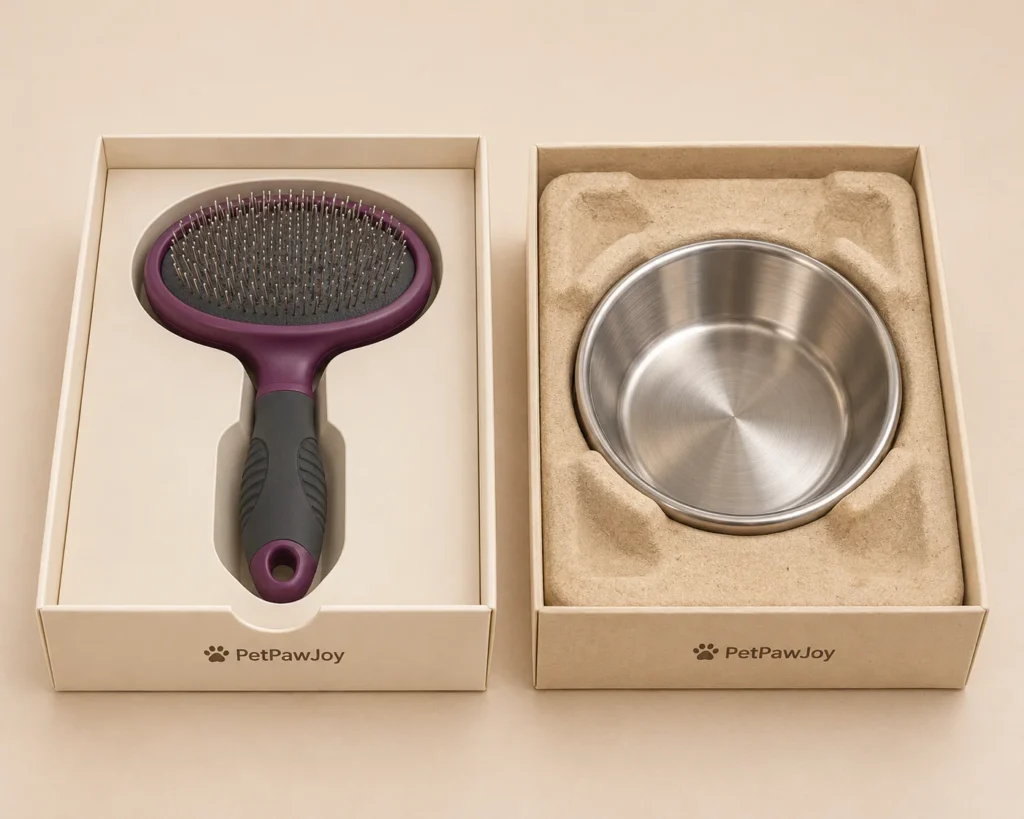
Paperboard and Molded Pulp Inserts
Fitted inserts can position products inside a box and separate components. Review the insert shape, contact points, fit, and suitability for the packed product.
05
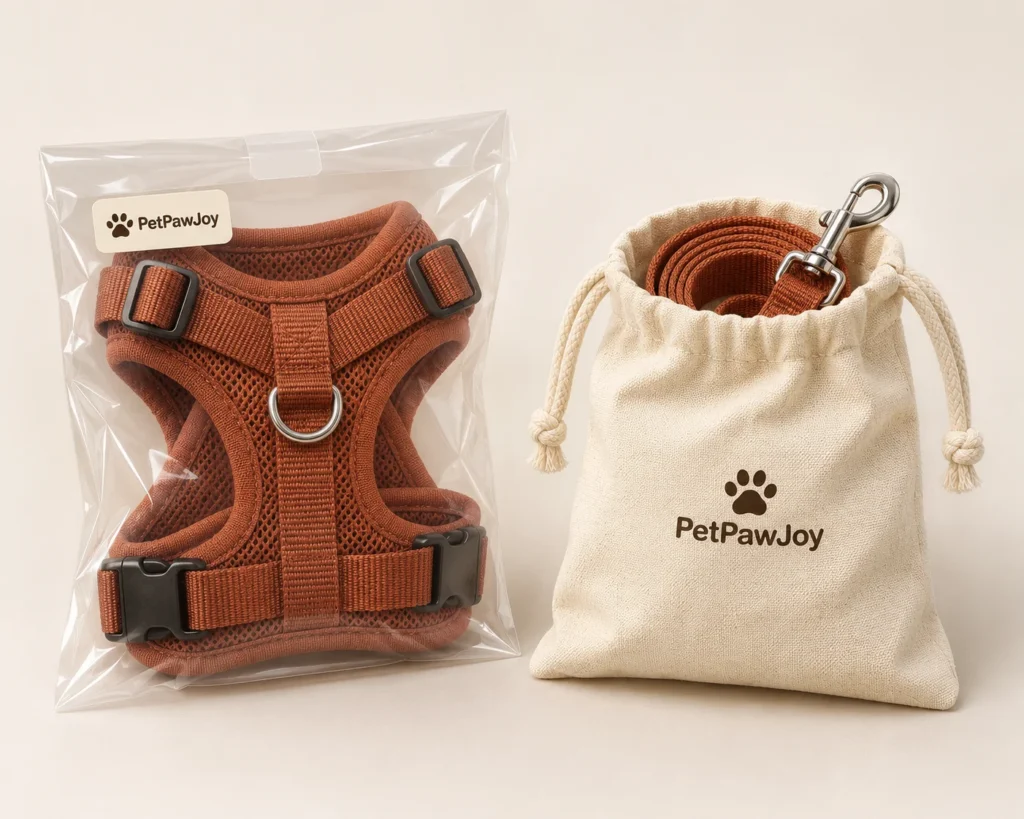
Flexible Bags and Pouches
Flexible packaging may be suitable for selected textile products or small components. Confirm material, thickness, closure, printing, and any applicable warning or labeling requirements.
06
Paper Cushioning and Dividers
Paper cushioning and dividers can help separate products and fill unused space. Confirm the arrangement and protection needed for the product and proposed shipping conditions.
CHOOSE HOW PRODUCTS ARE PACKED
Plan the Packing Method Around Your Order
Choose how individual products, retail sets, and wholesale quantities should be arranged. Confirm the contents, product separation, identification, and packing sequence before assembly begins.
01. Individual Product Packing
Prepare each product in its own agreed retail packaging. Confirm the correct product variation, accessories, labels, instructions, and artwork version for every pack.
02. Retail Sets and Kitting
Group selected products into one defined retail set. Use an agreed contents list and packing layout so each kit contains the correct components and presentation materials.
03. Bulk Carton Packing
Arrange individually packed products or agreed loose units inside outer cartons. Define carton contents, product separation, and identification so the packing list reflects the shipment.
Buyer Note:
Approve the packed configuration as well as the packaging artwork. Changes to kit contents, product dimensions, or quantities may require revised inserts, carton arrangements, pricing, or minimum quantities.
PREPARE YOUR PACKAGING BRIEF
Share the Details Needed to Develop Your Packaging
Provide the product information, presentation needs, and shipping requirements for your selected packaging. Identify what is already decided and what needs review before dimensions, artwork, and costs are finalized.
| Requirement | What to Provide |
|---|---|
| Product Details | Product references, dimensions, weight, included accessories, and the exact variation to be packed. |
| Packing Configuration | Individual retail pack, multipack, kit, or bulk carton. For sets, list every component and its quantity per pack. |
| Material and Structure | Preferred material, box or pouch style, insert requirements, closure, and any reference photographs. |
| Artwork and Information | Logo files, proposed artwork, barcode details, product information, instructions, and required languages. |
| Order Quantities | Quantities for each product, packaging size, printed design, and kit configuration. |
| Sales and Delivery Requirements | Retail display or ecommerce needs, destination market, shipping method where known, and required arrival date. |
Buyer Note:
Product and packaging minimums may differ. Request separate confirmation of packaging development, printing, inserts, assembly, samples, and any unused packaging balance.
REVIEW BEFORE PACKING BEGINS
Approve the Packaging and Packed Configuration
Review the applicable packaging sample with the selected product inside. Confirm its structure, artwork, contents, and packing arrangement before authorizing printing or assembly.
01. Check Fit and Packing Layout
Review how the product, accessories, and inserts fit inside the packaging. For kits, check every component against the agreed contents list and confirm its position in the pack.
02. Review Artwork and Product Information
Check logo placement, artwork version, barcode details, labels, instructions, and required languages. Confirm which details the sample represents and which remain subject to a separate proof or review.
03. Record Approval and Packing Instructions
Identify the approved sample, artwork, and packing-layout versions. Record the agreed contents, assembly instructions, and outer-carton arrangement so the packing team has a clear reference.
Buyer Note:
A digital mockup does not confirm physical fit, material strength, or shipping performance. Agree on any physical samples or packing tests needed. Changes after approval may affect packaging dimensions, costs, minimum quantities, and timing.
PACKAGING AND KITTING QUESTIONS
Questions About Packing Your Pet Products
Find answers about packaging options, kit assembly, samples, minimum quantities, and artwork approval.
Options for review may include folding cartons, corrugated cartons, hang cards, sleeves, flexible bags, pouches, and fitted inserts. Availability depends on the product, dimensions, quantities, and packing requirements.
Potentially, if the dimensions, protection, and information requirements are compatible. Different products may need separate inserts or labels. Confirm the fit of every selected variation before approval.
Discuss the proposed kit contents and quantity of each component. Confirm component availability, separate minimums, packing layout, assembly instructions, and the applicable approval sample before proceeding.
Wholesale orders start at 100 pieces for selected standard products. Logo application, custom colors, and printed retail packaging may require separate or higher minimum quantities. Request an item-by-item breakdown for your order.
Applicable samples may be available depending on the packaging and project stage. Confirm whether the sample represents structure, printing, materials, or the complete packed configuration, along with charges and preparation time.
Send your logo and available artwork files, required text, barcode information, and language requirements. Confirm the final dieline and artwork specifications before preparing production files.
Share your material preferences and destination-market requirements for review. Confirm the exact material composition and supporting information before making recyclability or other environmental claims.
Do not assume testing is included. Identify any required packing tests, methods, acceptance criteria, and reporting needs so feasibility, responsibilities, and charges can be confirmed separately.
Submit the revised requirements before printing or assembly continues. Changes may require new artwork, samples, inserts, or carton arrangements and may affect costs, minimum quantities, and timing. Confirm the revised version in writing.
PLAN YOUR PRODUCT PRESENTATION
Discuss Packaging for Your Products or Retail Sets
Send your product list, quantities, packaging preferences, and artwork. For kits, include every component and its quantity per pack so we can review the configuration, minimums, and applicable costs.