
OEM AND ODM PROJECT SUPPORT
OEM and ODM Pet Product Development
Share your product concept, technical requirements or proposed changes to an existing design. PetPawJoy reviews selected OEM and ODM projects to identify the development work, samples, tooling and production requirements involved.
PetPawJoy is a pet product brand and manufacturer reviewing selected OEM and ODM projects for wholesale and private-label buyers. Development capability, responsibilities, costs and minimum quantities are confirmed separately for each project.
Submitting a product brief does not confirm project feasibility or acceptance. Development should begin only after the scope, deliverables, charges, responsibilities and approval stages have been agreed in writing.
Supporting note:
Available development options depend on the selected product, technical requirements, order quantity and production capability.
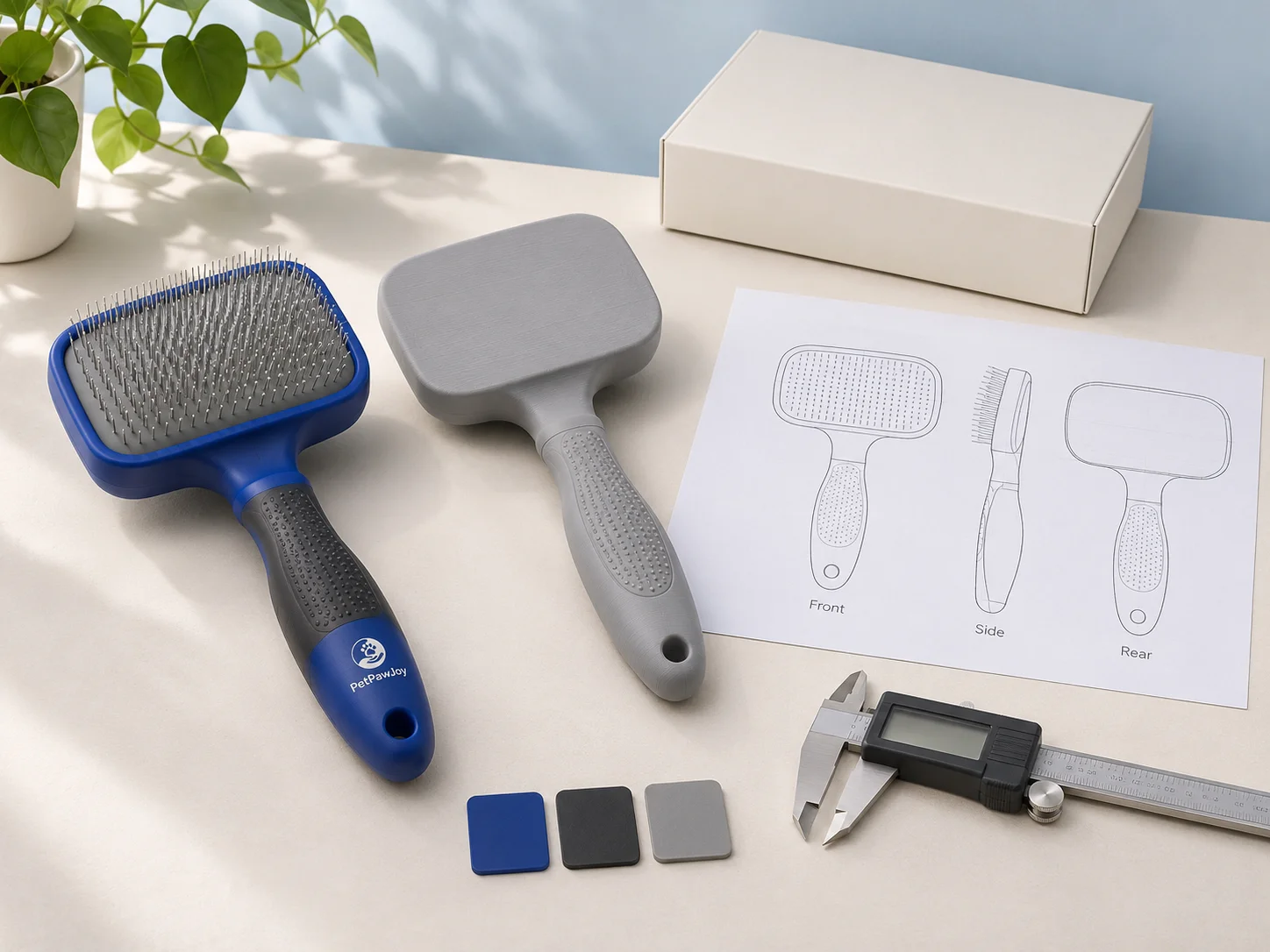
CHOOSE YOUR DEVELOPMENT ROUTE
Start With Your Specifications or an Adaptable Design
The starting point determines what needs to be reviewed before development begins. Share whether you have a defined specification or want to explore changes to an existing design so the project scope, responsibilities and approval stages can be clarified.
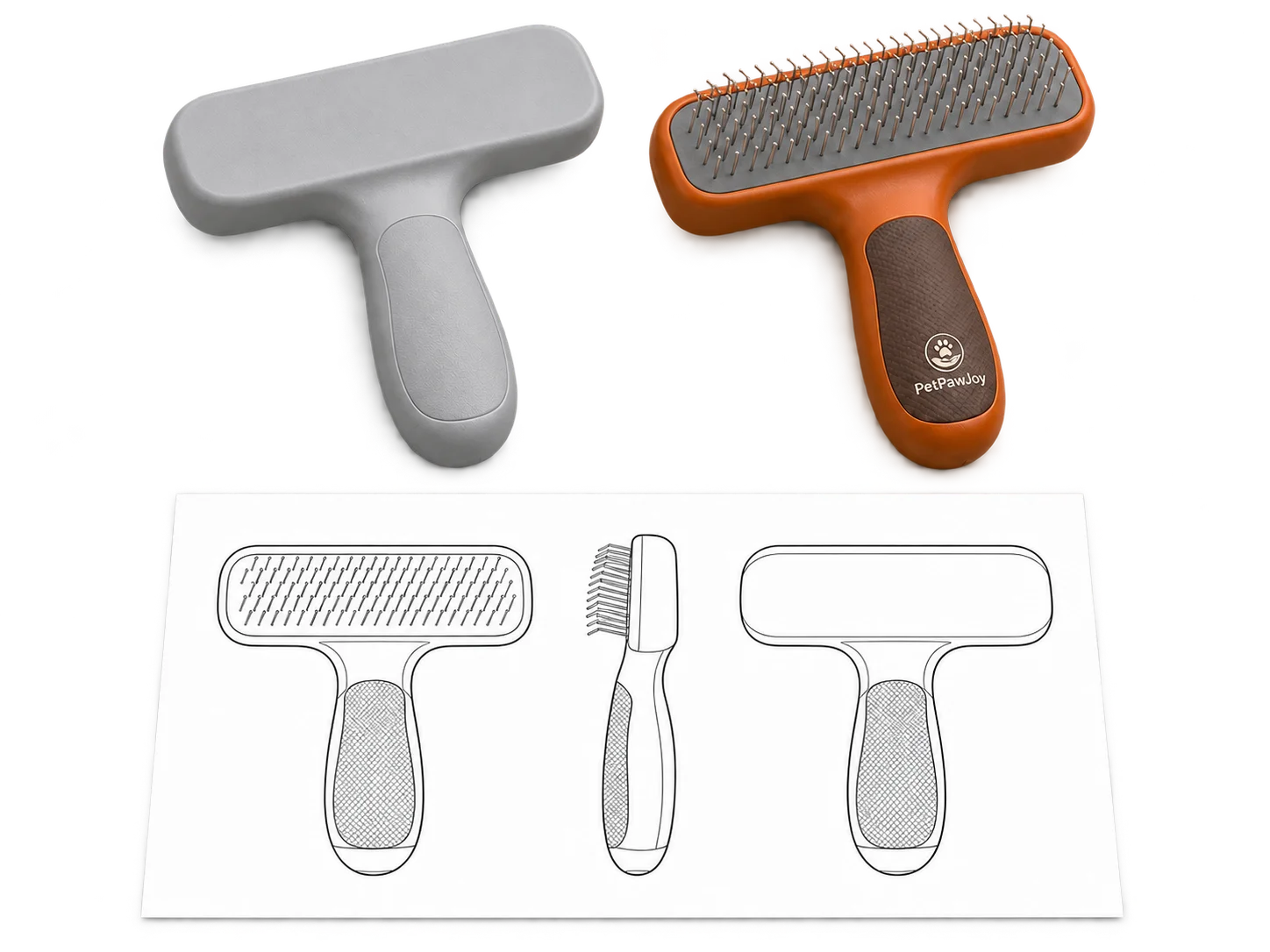
01. OEM — Develop From Buyer-Provided Specifications
Start with your drawings, technical specifications or an approved sample. Review the intended dimensions, materials, construction and required features so feasibility and production requirements can be assessed.
What to provide:
- Drawings, specifications or authorized reference samples
- Intended use and destination market
- Required materials, dimensions and features
- Estimated quantities, target cost and required arrival date
What to confirm:
Technical feasibility, development responsibilities, prototypes, tooling, costs and approval stages.
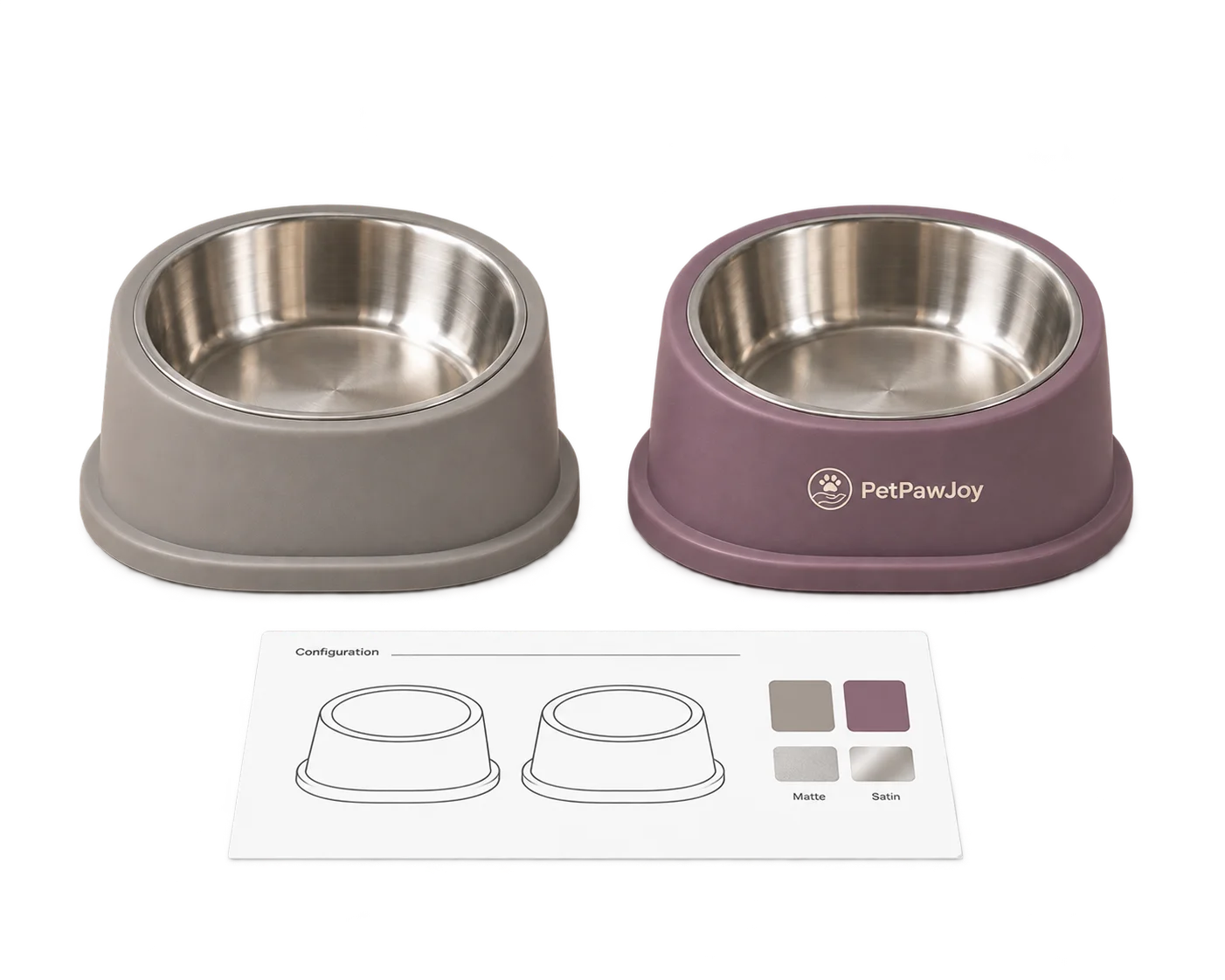
02. ODM — Adapt an Existing Product Design
Start with an existing design and identify the configuration you want reviewed. Proposed changes may involve selected components, materials, colors or features, subject to technical feasibility and the scope of the available design.
What to provide:
- Selected product or design reference
- Changes you want to explore
- Intended use, sales channel and destination market
- Estimated quantities, target cost and required arrival date
What to confirm:
Which adaptations are possible, whether new components or tooling are needed, design-use rights, samples, costs and minimum quantities.
Note: The 100-piece wholesale minimum does not automatically apply to OEM or ODM development. Custom components, tooling, materials, colors and printed packaging may require separate or higher minimum quantities.
DEFINE THE PROJECT BEFORE DEVELOPMENT
Tell Us What Your Pet Product Needs to Do
A clear brief helps identify technical questions, development work and quotation requirements early. Share the information you already have and mark any undecided details for review.
Buyers should distinguish essential requirements from preferences so alternatives can be reviewed during feasibility assessment.
| Project Detail | What to Provide |
|---|---|
| Product Concept or Reference | Share an authorized reference photo, sketch, drawing, existing product link or written description. Explain whether you need a new product or changes to an existing design. |
| Intended Use | Describe the product’s purpose, animal type and relevant size or age range. Explain the features required and how the product is expected to be used. |
| Dimensions and Construction | Provide target dimensions, component details, assembly requirements and any critical tolerances you have defined. Identify which details remain open for technical review. |
| Materials and Finish | Specify preferred materials, colors, textures and finishes. Distinguish essential requirements from preferences where alternatives may be considered. |
| Order Quantity and Target Cost | State the estimated quantity for each variation, target unit cost and currency. Identify expected repeat orders separately from the initial order. |
| Branding and Packaging | Include logo artwork status, proposed placement, retail packaging, kit contents and any inserts or instructions required. |
| Sales Channel and Destination | State whether the product is intended for retail stores, ecommerce, distribution or a private-label program, and identify the market where it will be sold. |
| Testing and Documentation Needs | Provide any required testing, labeling, warning, traceability or retailer documentation requirements for review before samples and production. |
| Required Arrival Date | Include the date the order needs to arrive and its delivery destination. Identify any fixed launch date or sample-review deadline. |
Buyer note:
Provide artwork and product references you are authorized to use. Before sharing confidential technical files, agree on any confidentiality arrangements needed for the project.
DESTINATION MARKET REVIEW
Confirm Requirements for the Market Where You Will Sell
Product requirements, testing, labeling, warnings and documentation depend on the selected product, intended use and destination market. Buyers should identify any specific market, retailer or regulatory requirements that must be reviewed before development begins.
PetPawJoy can confirm which testing and documentation options are available for the selected project. This page does not replace product-specific specifications, testing or applicable compliance review.
| Information | What to Provide or Confirm |
|---|---|
| Destination Market | Country or region where the product will be sold. |
| Intended Use | Animal type, size or age range and expected use. |
| Product Claims | Exact material, safety, durability or performance wording. |
| Testing | Required test methods, standards or retailer protocols. |
| Labeling | Languages, warnings, traceability details and importer information. |
| Documents | Required reports, declarations, specifications or material information. |
| Responsibility | Which party arranges, pays for and reviews each test or document. |
PROTOTYPES AND SAMPLES
Understand What Each Sample Demonstrates
Different development items answer different questions. Confirm which drawings, prototypes or samples are needed for your project, what each version demonstrates and what remains unapproved. A visual or functional prototype does not automatically establish production readiness.
| Development Item | What to Review | Important Limitation |
|---|---|---|
| Appearance Prototype | Proposed shape, approximate size and visual arrangement. | Does not confirm final materials, functional performance or production readiness. |
| Functional Prototype | Selected functions, fit, movement or assembly features identified in the project brief. | Does not automatically confirm final tooling, finish or repeatability in bulk production. |
| Tooling or Production Sample | Parts or assemblies produced using an agreed tooling or production approach. | Does not automatically approve artwork, retail packaging or all production requirements. |
| Pre-production or Approved Reference Sample | Agreed product version, relevant customization and packaging details used for final review or comparison. | Approval applies only to the recorded specifications and sample scope; it does not replace production inspections. |
Buyer Note:
Packaging samples may be needed separately to check product fit, artwork and labels. Confirm the purpose, cost, preparation time and approval criteria for each applicable sample before proceeding.
FROM BRIEF TO PRODUCTION APPROVAL
Move Your Project Forward With Clear Review Stages
Agree on the work, deliverables and approvals needed at each stage. The development route depends on the product and may include technical drawings, prototypes, tooling or additional sample rounds.
-
01
Review Feasibility and Open Questions
Review your brief against the proposed materials, construction, intended use and estimated quantities. Identify missing information, technical limitations and any alternatives that need your decision.
-
02
Confirm the Development Scope
Agree on responsibilities, required deliverables, development charges and applicable minimum quantities. Identify whether drawings, prototypes, tooling, testing or packaging development are included, and confirm the estimated schedule.
-
03
Review Drawings and Applicable Prototypes
Check the proposed dimensions, component arrangement and construction details. Where a prototype is required, confirm whether it represents appearance, fit, function or a combination of these.
-
04
Approve Production Specifications and Samples
Review the final production documents and applicable samples against the agreed development scope.
Specification Approval and Change Control
Before authorizing bulk production, agree on the final product specifications, applicable samples, artwork, packaging and inspection criteria in writing. Record the approved document and sample versions so both parties work from the same reference.
If materials, dimensions, construction, components, colors, artwork, packaging or quantities change after approval, submit the proposed revision for review before work continues. Changes may affect technical feasibility, tooling, additional samples, minimum quantities, pricing and the schedule. Do not implement a revised specification until the relevant parties have approved it in writing.
-
05
Confirm Production and Dispatch Planning
Agree on production timing, inspection points, packing requirements and the cargo-ready date. Review shipping arrangements separately so production lead time and transport time are clearly distinguished.
SPECIFICATION APPROVAL
Confirm Changes Before Work Continues
Any change to the material, dimensions, construction, components, color, artwork, packaging or quantity after approval must be reviewed in writing. The change may affect feasibility, tooling, sample requirements, minimum quantities, pricing and schedule.
Bulk production should begin only after the final specifications, artwork, packaging and applicable samples have been approved in writing.
No agreed material, component, construction or packaging detail should be changed without written review and approval.
PROJECT TIMING
Review Development, Production and Shipping Separately
Project schedules depend on the agreed development scope, technical requirements, sampling rounds, approvals and order quantities. Request an estimate for each applicable stage and identify any buyer decisions or approvals needed before the next stage can begin.
| Project Stage | Timing to Confirm |
|---|---|
| Development Review and Tooling | Feasibility review, technical work and any required tooling or modifications. |
| Prototypes and Sample Approval | Applicable sample preparation, review, revisions and written approval. |
| Bulk Production | Estimated manufacturing and packing time after final specifications and required samples are approved. |
| Shipping and Delivery | Cargo-ready date, agreed shipment arrangements and estimated transport time to the destination. |
Buyer Note:
Development, sample approval, bulk production and international transportation are separate schedule elements. Confirm whether estimates include buyer review time and any additional sample rounds.
YOUR DEVELOPMENT QUESTIONS
Questions About OEM and ODM Pet Product Projects
Find out what to prepare, review and approve before starting a selected OEM or ODM project.
Yes. Share an authorized sketch, photo or written brief with your intended use, preferred dimensions, materials and estimated quantities. Further technical information may be needed before feasibility, costs and development stages can be confirmed.
No. Available options depend on the product, technical requirements, order quantity and production capability. Some projects may be suitable for changes to an existing design, while others require additional development or cannot proceed as proposed.
Not automatically. Minimum quantities depend on the product, materials, tooling, customization and production process. The applicable minimum for each product variation and packaging version will be confirmed after feasibility review.
This depends on the proposed construction and changes. Technical review will establish whether existing tooling can be used or new tooling is needed. Confirm tooling costs, ownership, maintenance and future-use terms before payment.
Ask which prototype or sample stages are appropriate for your project. Confirm whether each sample demonstrates appearance, fit, function or production materials, together with its cost, preparation time and approval requirements.
Timing depends on technical review, development scope, tooling, sample rounds, approvals and production requirements. Request a schedule with clear milestones. International shipping time should be confirmed separately from development and production lead time.
Ownership and permitted use must be agreed for the specific project. Confirm which drawings, artwork, technical files and design rights are included. Any exclusivity or restrictions on reuse should be recorded in writing.
You can request changes for review. Revisions may affect feasibility, development charges, tooling, samples, minimum quantities and timing. Approve the revised scope and specifications in writing before the affected work continues.
START YOUR OEM OR ODM PROJECT
Share Your Pet Product Development Brief
Send your product concept, authorized references, drawings or specifications with the intended use, materials, target dimensions, estimated quantities, target cost and destination market. Include the required arrival date so feasibility, development stages, samples, tooling and quotation requirements can be reviewed.